


- Overview of energy-saving market and energy-saving demand -
Overview of the comprehensive energy-saving market in factories
For a long time, industry has been a major consumer of energy. In China, industrial electricity alone accounts for 76% of the total electricity consumption, with an electricity load of over 148600 kWh, and consumes a large amount of fuel and gas. With the rapid development of economic construction, the gradual progress of project development, the sharp increase in electricity load, and the increasingly severe power supply gap; Gas and fuel are also becoming increasingly scarce.
China's energy mainly relies on coal power generation and the conversion of thermal energy from oil fired boilers, accounting for 80% of the energy form. However, the low thermal efficiency and the increasing emissions of environmental pollutants such as carbon dioxide, nitrogen oxides, and dust particles have led to increasingly prominent environmental problems. How to optimize the structure of energy consumption and utilization, ensure the sustainable development of the economy and society, has become an urgent task for industrial energy conservation, and we look forward to breakthroughs in energy conservation and consumption reduction work. In fact, 80% of production enterprises have great potential for energy conservation. By adopting suitable energy-saving measures on many equipment, including fuel systems, power systems, central air conditioning systems, lighting systems, and so on, enterprises can achieve significant energy-saving effects. With the continuous progress of science and technology, gratifying achievements have been made in the research on how to reduce the comprehensive energy consumption of industrial enterprises.
Energy saving demand
The pressure faced by enterprises is gradually increasing: on the one hand, the continuous rise in energy and raw material prices has led to an increase in production costs and a shrinking profit margin; On the other hand, the national energy conservation and emission reduction policies are gradually being implemented. If a company is listed as a key energy consuming enterprise but cannot take effective energy-saving and consumption reducing measures, it will face the dilemma of closure for rectification. Therefore, taking effective energy-saving measures has become an important measure to reduce energy consumption, save costs, and enhance enterprise competition.
Composition of factory electricity consumption
◆ production equipment
◆ lighting system
Factory workshop lighting, outdoor lighting, office area lighting, dormitory lighting
◆ power equipment
Factory specific and supporting equipment: such as air compressors, pumps, fans, etc
◆ Central air conditioning system
Cold and heat source system, air conditioning and ventilation system, pipeline transportation system
- Energy saving plan -
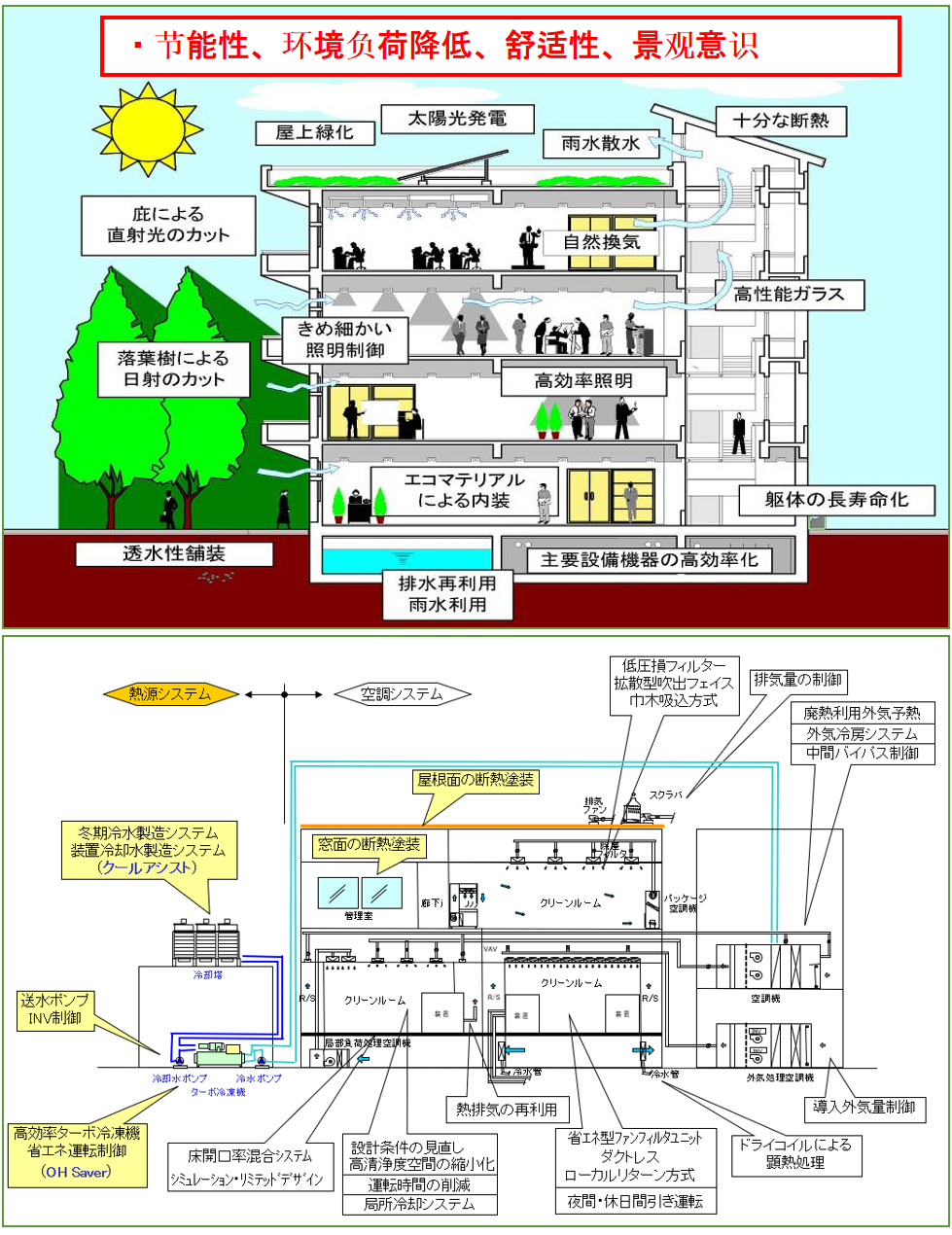
☼ Leak detection of air compressor system, frequency conversion and quantity control of air compressors
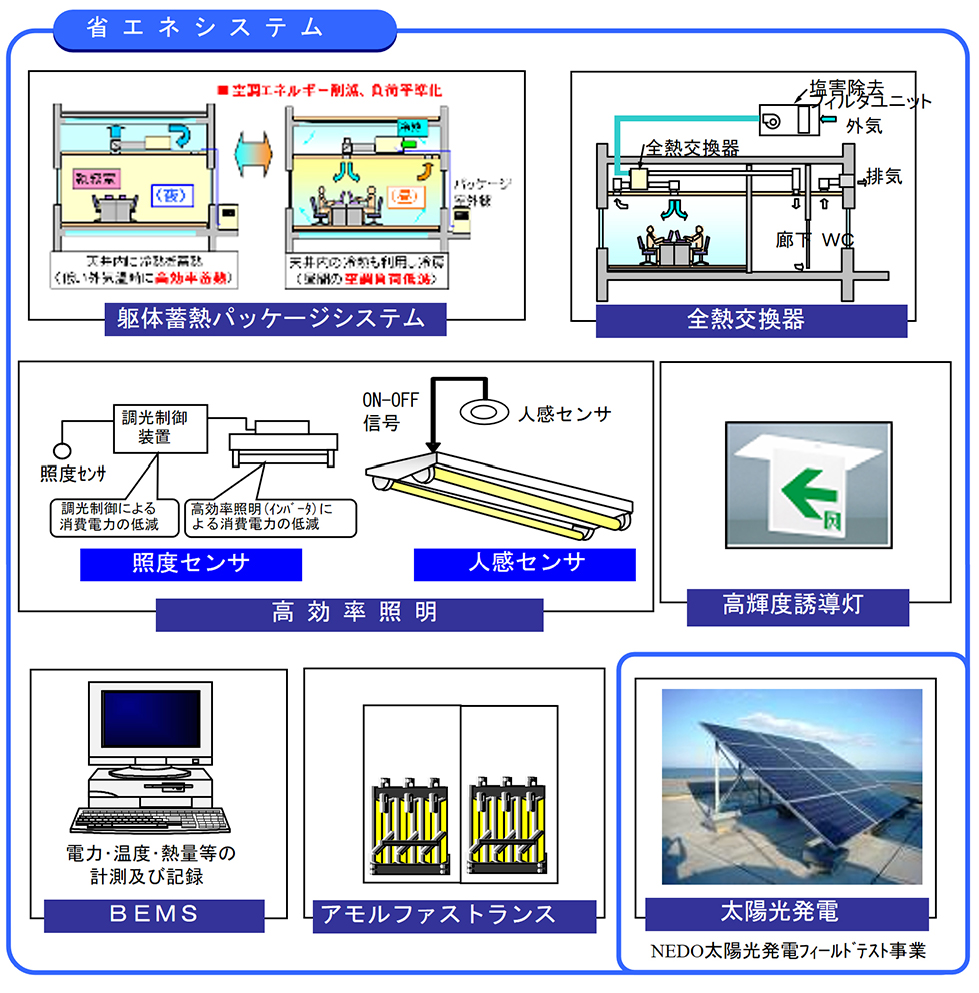
☼ Energy saving renovation of air conditioning system
☼ Cooling tower: using a fanless cooling tower
☼ Optimization of existing humidifiers and electric heaters
☼ FFU optimization
☼ lighting equipment
☼ Natural light is introduced indoors to reduce the use of daytime lighting fixtures
☼ Introduction of storage and discharge equipment
☼ Introduction of distributed photovoltaics
☼ Waste heat recovery and utilization
☼ Maintenance and upkeep of air conditioning
- factory update -
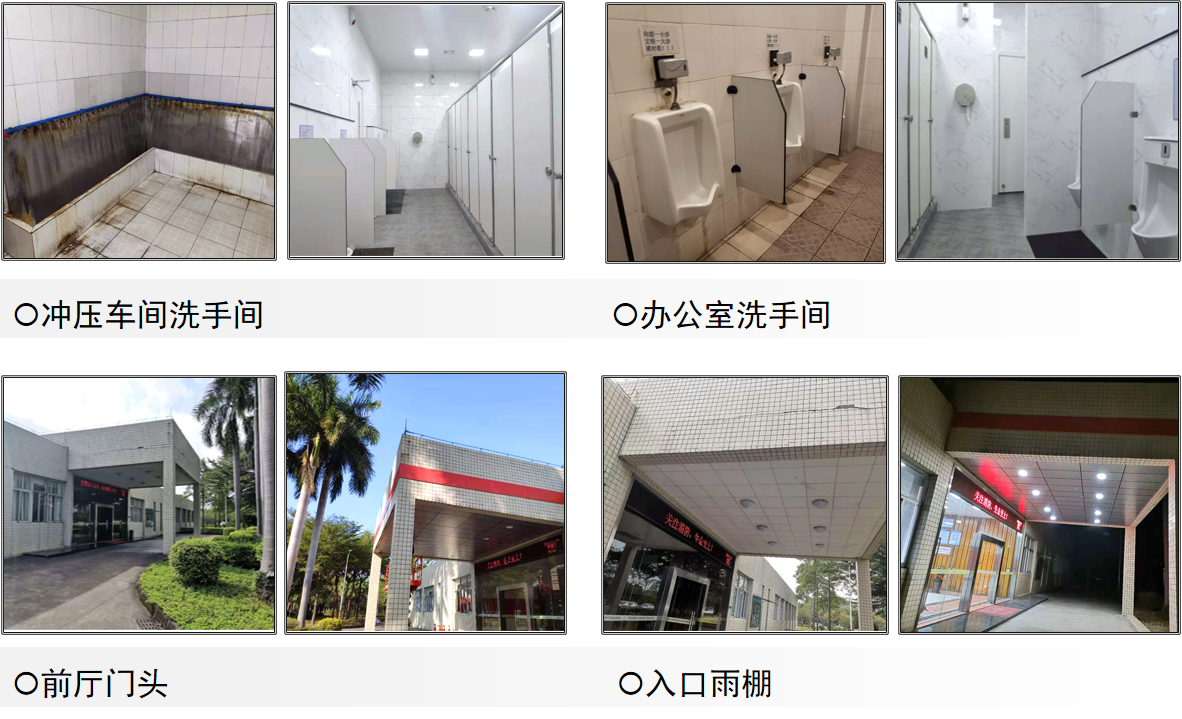
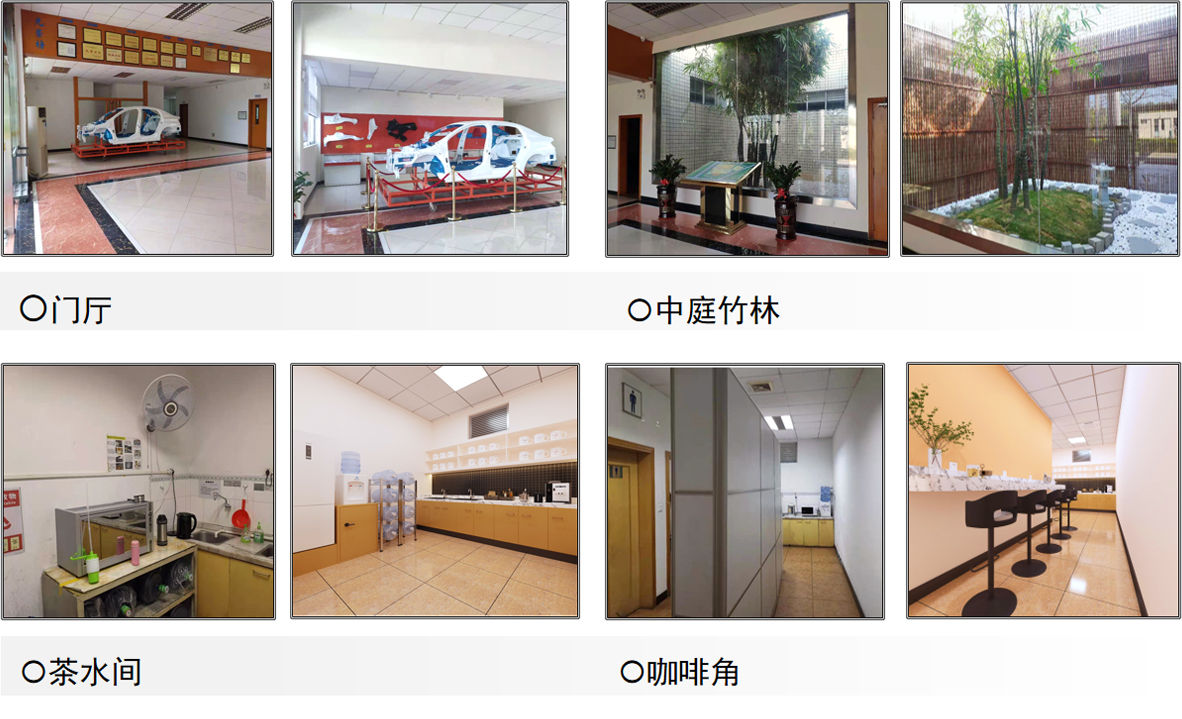
The factory needs to renovate its building facilities
Many companies have been operating for many years.
The factory is facing a demand for improvement in appearance and performance. In this regard, we have a lot of experience:
field investigation → design → rendering → Owner confirmation → on-site construction → Submission of completion documents
The factory requires equipment replacement (limited by service life)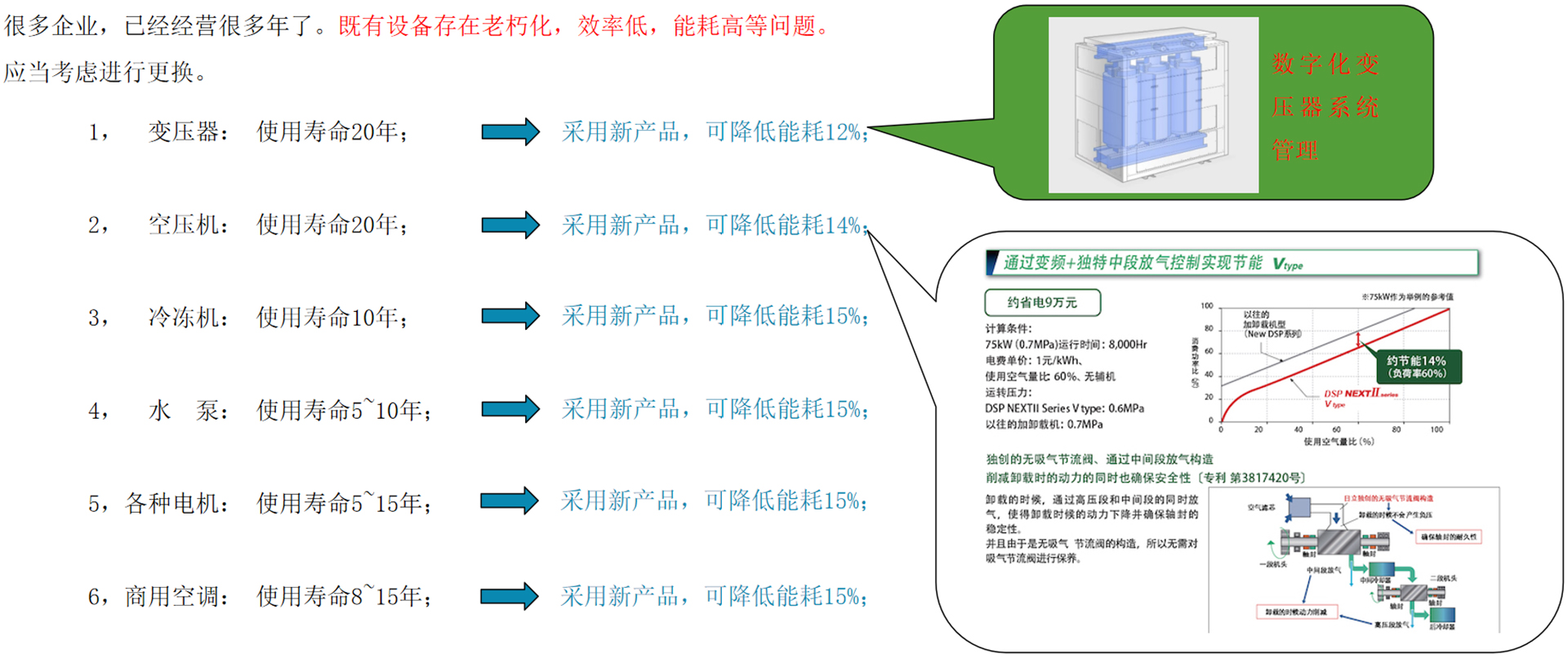


Scan to preview the mobile site
CONTACT US
Engineering aspect (corresponding to Chinese):
Yang 186-0166-0558
Shengji Trading (corresponding in Chinese):
Xiao181-1704-7400
Email: zts_g@ztsjs.com.cn
Copyright ©2025 ZTS Construction Engineering Co., LTD All Rights Reserved Webmaster 沪ICP备2025134352号-1
